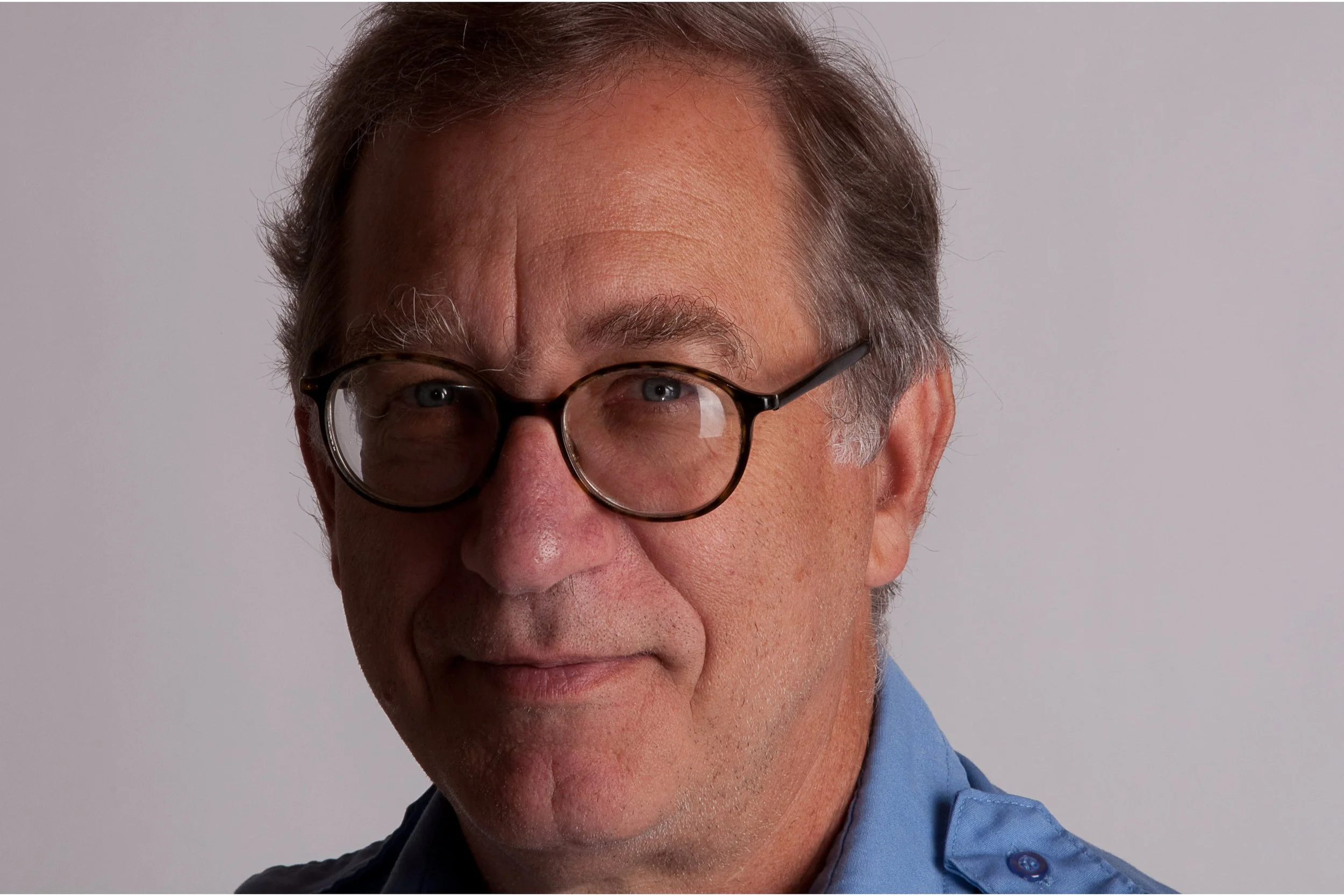
Mark Pendergrast is an investigative author and science writer whose curiosity spans continents and disciplines.
From chronicling the global history of coffee in Uncommon Grounds to uncovering the story behind Coca-Cola in For God, Country & Coca-Cola, his narrative nonfiction explores the unexpected connections that shape our world. His work delves into public health (Inside the Outbreaks), memory research (Victims of Memory), and urban history, while his three children's books bring that same spirit of discovery to young readers. A Harvard graduate, independent scholar, and former librarian turned full-time writer, Pendergrast has published books in 15 languages and appeared on NPR, CNN, and the Today Show. Based in Burlington, Vermont, he continues to write about the topics that fascinate him and his readers.
Books
-
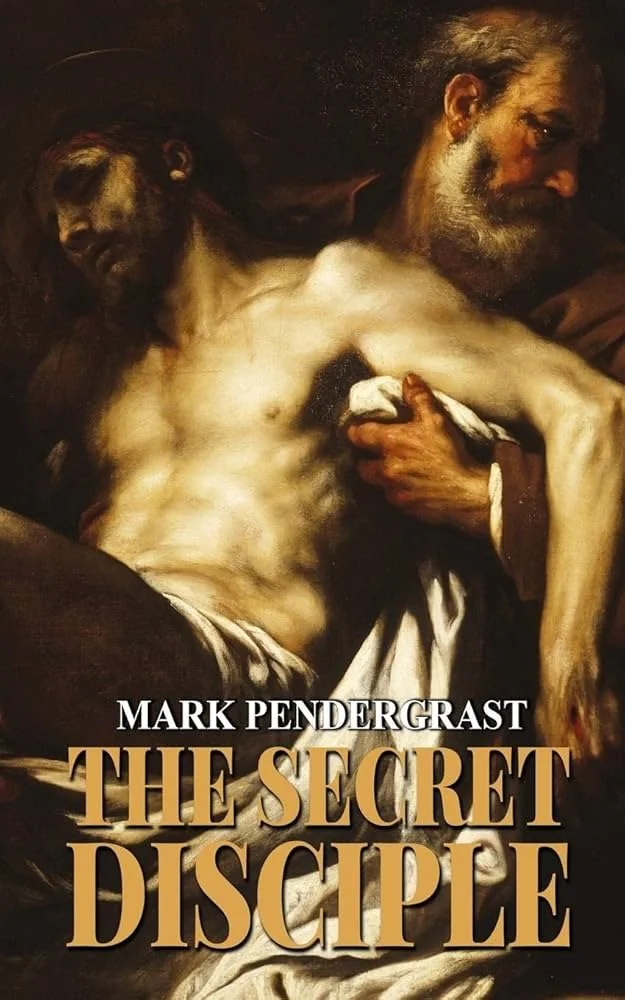
The Secret Disciple
The Secret Disciple offers a riveting, plausible, and controversial version of the advent of Christianity, based on a close reading of the gospels. This religious mystery story comes to the startling conclusion that the risen Jesus was in fact Legion (Jeremiah), the “secret disciple.” If you are among those who have always questioned the story of the resurrection, or wondered about the family of Jesus, this book is for you.
-
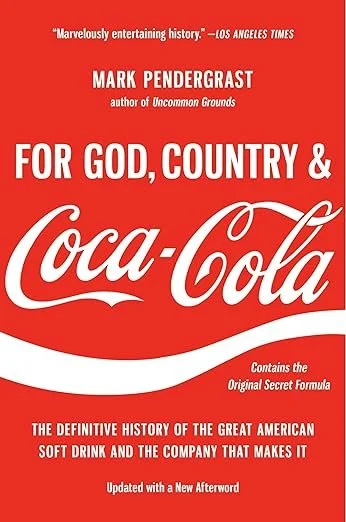
For God, Country & Coca-Cola: The Definitive History of the Great American Soft Drink and the Company That Makes It
How did an innocuous soft drink, more than 99% sweetened water, come to be regarded as “the sublimated essence of all that America stands for”? Coca-Cola began humbly as a patent medicine amid the fervor and chaos of Reconstruction Atlanta. A shrewd marketer saw its value as a beverage, and it rapidly grew through the Gilded Age to become the dominant consumer product of the American Century and beyond.
-
Uncommon Grounds: The History of Coffee and How it Transformed Our World
From its discovery on an ancient Ethiopian hillside to its role as millennial elixir in the Age of Starbucks, coffee has dominated and molded the economies, politics, and social structures of entire countries.The second most valuable exported legal commodity on earth, coffee delivers the largest jolt of the world’s most widely taken psychoactive drug.
-
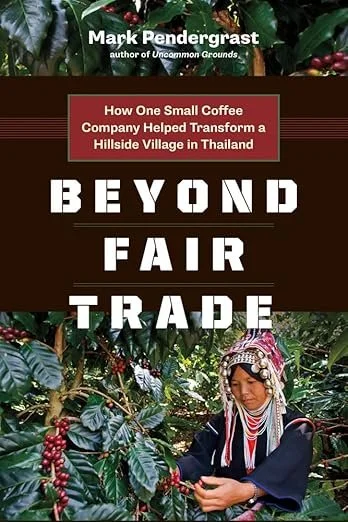
Beyond Fair Trade: How One Small Coffee Company Helped Transform a Hillside Village in Thailand
Politics, economics, violence, prejudice, and deforestation consistently worked against the Akha hill tribe of Thailand’s desire to move away from their dependency on opium production and create a stable future for their children.
That all changed in 2006 when John Darch met entrepreneur Wicha Promyong.
-
City on the Verge: Atlanta and the Fight for America’s Urban Future
What we can learn from Atlanta’s struggle to reinvent itself in the 21st Century Atlanta is on the verge of tremendous rebirth-or inexorable decline. A kind of Petri dish for cities struggling to reinvent themselves, Atlanta has the highest income inequality in the country, gridlocked highways, suburban sprawl, and a history of racial injustice. Yet it is also an energetic, brash young city that prides itself on pragmatic solutions.
-

The Most Hated Man in America: Jerry Sandusky and the Rush to Judgment
Everyone knows the story of Jerry Sandusky, the serial pedophile, the Monster. But what if that story is wrong? What if the former Penn State football coach and founder of the Second Mile is an innocent man convicted in the midst of a moral panic fed by the sensationalistic media, police trawling, and memory-warping psychotherapy? The Most Hated Man in America reads like a true crime psychological thriller and is required reading for everyone from criminologists to sports fans.
-
Memory Warp: How the Myth of Repressed Memory Arose and Refuses to Die
“Reading Memory Warp could save your finances, your sanity, your family, and even your life. If you seek mental health treatment in the US health care system, you are at serious risk of being harmed by reckless methods based on dangerous junk science theories and practices. A compelling, well-researched book about the epidemic of false memories of abuse that occurred in the final part of the 20th century and continues in a reduced—though still dangerous—form to this day, negatively impacting the lives of millions of people.”
-

The Repressed Memory Epidemic: How It Happened and What We Need to Learn from It
This book offers a comprehensive overview of the concept of repressed memories. It provides a history and context that documents key events that have had an effect on the way that modern psychology and psychotherapy have developed. Chapters provide an overview of how human memory functions and works and examine facets of the misguided theories behind repressed memory. The book also examines the science of the brain, the reconstructive nature of human memory, and studies of suggestibility.
-
Japan’s Tipping Point: Crucial Choices in the Post-Fukushima World
The Japanese boast of their eco-services for eco-products in eco-cities. Yet they rely primarily on imported fossil fuel and nuclear power, live in energy-wasteful homes, and import 60% of their food. That may be changing in the wake of the Fukushima nuclear disaster. Maybe. Japan is mired in bureaucracy, political in-fighting, indecision, puffery, public apathy, and cultural attitudes that make rapid change difficult. Yet Japan is also one of the most beautiful countries in the world, with friendly, resilient people who can, when motivated, pull together to accomplish incredible things.
-
Inside the Outbreaks: The Elite Medical Detectives of the Epidemic Intelligence Service
Mark Pendergrast takes readers on a riveting journey through the history of this remarkable organization, following EIS officers on their globetrotting quest to eliminate the most lethal and widespread threats to the world’s health. Over the years they have successfully battled polio, cholera, and smallpox, and in recent years have turned to the epidemics killing us now — smoking, obesity, and violence among them.
-
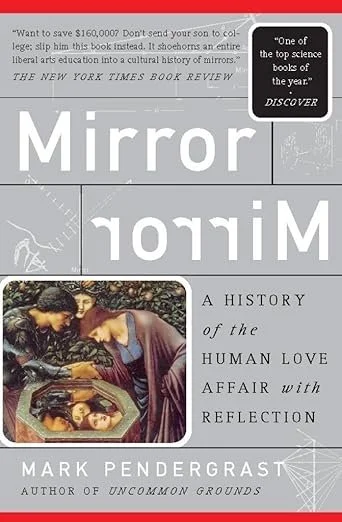
Mirror, Mirror & A History Of The Human Love Affair With Reflection
Of all human inventions, the mirror is perhaps the most intriguing, since it is so closely connected to our own consciousness, reflecting both reality and illusion. As our first technology for self-contemplation, the mirror is arguably as important an invention as the wheel and perhaps even more universal (the Incas, who had mirrors, did not invent wheels). Mirror Mirror is the fascinating story of the mirror’s invention, refinement, and use in an astonishing range of human activities — from the bloodthirsty smoking gods of the Aztecs to the fantastic mirrored rooms wealthy Romans created for their orgies, to the mirror’s key role in gathering light from the far reaches of the universe.
Children’s Books
-
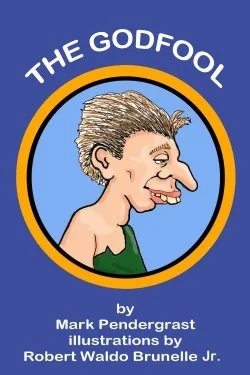
The Godfool
"Once there was a fool. He must have had a real name once, but the only name he knew, and the only thing he was called, was Fool...." Thus begins this thought-provoking folktale. The Godfool is not just a children's book. It is a fable, a parable with a moral for all of us. The village Fool, who sleeps in Ma Beezle's pig trough, comes to believe that he is also God. Though he is the butt of jokes and source of amusement for many who consider themselves superior to him, the Godfool has dipped into a deep well of wisdom, compassion and humanity. His story may inspire others to learn from his simple kindness and faith.
-

Silly Sadie
Everyone loved Sadie, not just because she was beautiful, but because she was sweet and kind and loved all living things.
There was only one problem.
Whenever Sadie was happy -- which was most of the time -- she giggled and smiled and laughed a tinkly little laugh that made her sound sort of silly.
When Silly Sadie met the Frog Prince, her life changed in ways she could never have imagined.
-
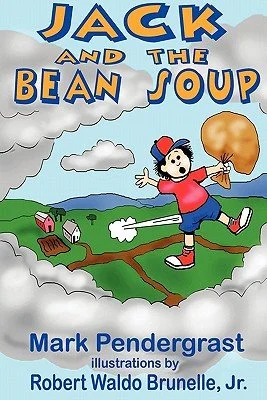
Jack and the Bean Soup
Jack and the Bean Soup is a fractured fairytale and elaborate fart joke.
Jack trades the cow for magic beans that make a potent bean soup.
Jack's farts send him skyward, and when the giant eats the soup, the results blast him around the heavens.
Jack grabs the goose and lives happily ever after.
The book is also a creation myth of sorts, explaining how evil came to the earth (Lucifer was fleeing the giant's flatulence) and the origin of thunder (the giant's thunderous gas).
Other Projects
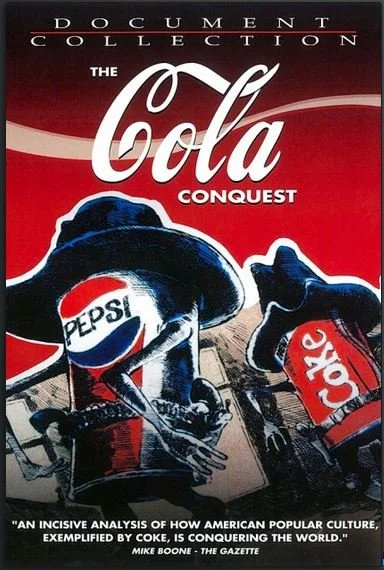
Documentaries Mark has appeared in and books he has edited.